





See Hidden Heat.
Prevent Critical Failures.
Thermal Imaging Solutions for the Oil & Petrochemical Industry
Overview
The petrochemical industry is a vital pillar of the national economy, involving extensive equipment that operates under harsh conditions characterized by high temperatures, high pressures, and the presence of flammable or explosive materials. Hazards such as pipeline corrosion, insulation damage, valve leaks, and storage tank anomalies are often difficult to detect. Once an incident occurs, it may result in personnel injuries, environmental pollution, and significant economic losses. Traditional inspections rely on technician experience and contact-based measurement methods, which are not only inefficient and hazardous but also limited in their ability to detect hidden defects.
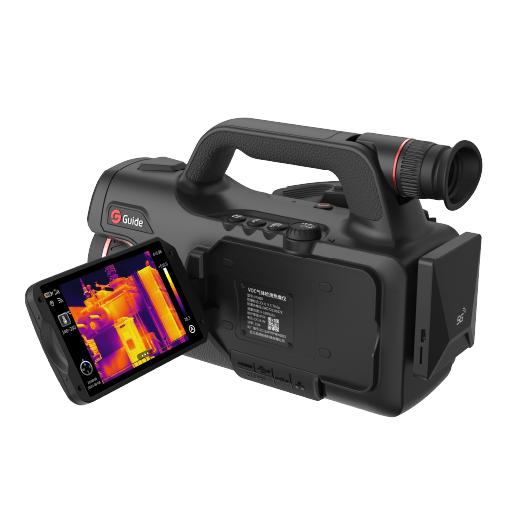
Thermal imaging technology enables inspections to be carried out while equipment remains in normal operation, without interrupting production or requiring contact with hazardous areas. It makes invisible temperature anomalies and hidden risks clearly visible.
Thermal imaging technology enables inspections to be carried out while equipment remains in normal operation, without interrupting production or requiring contact with hazardous areas. It makes invisible temperature anomalies and hidden risks clearly visible.
Storage Tank Liquid Level Inspection
Background
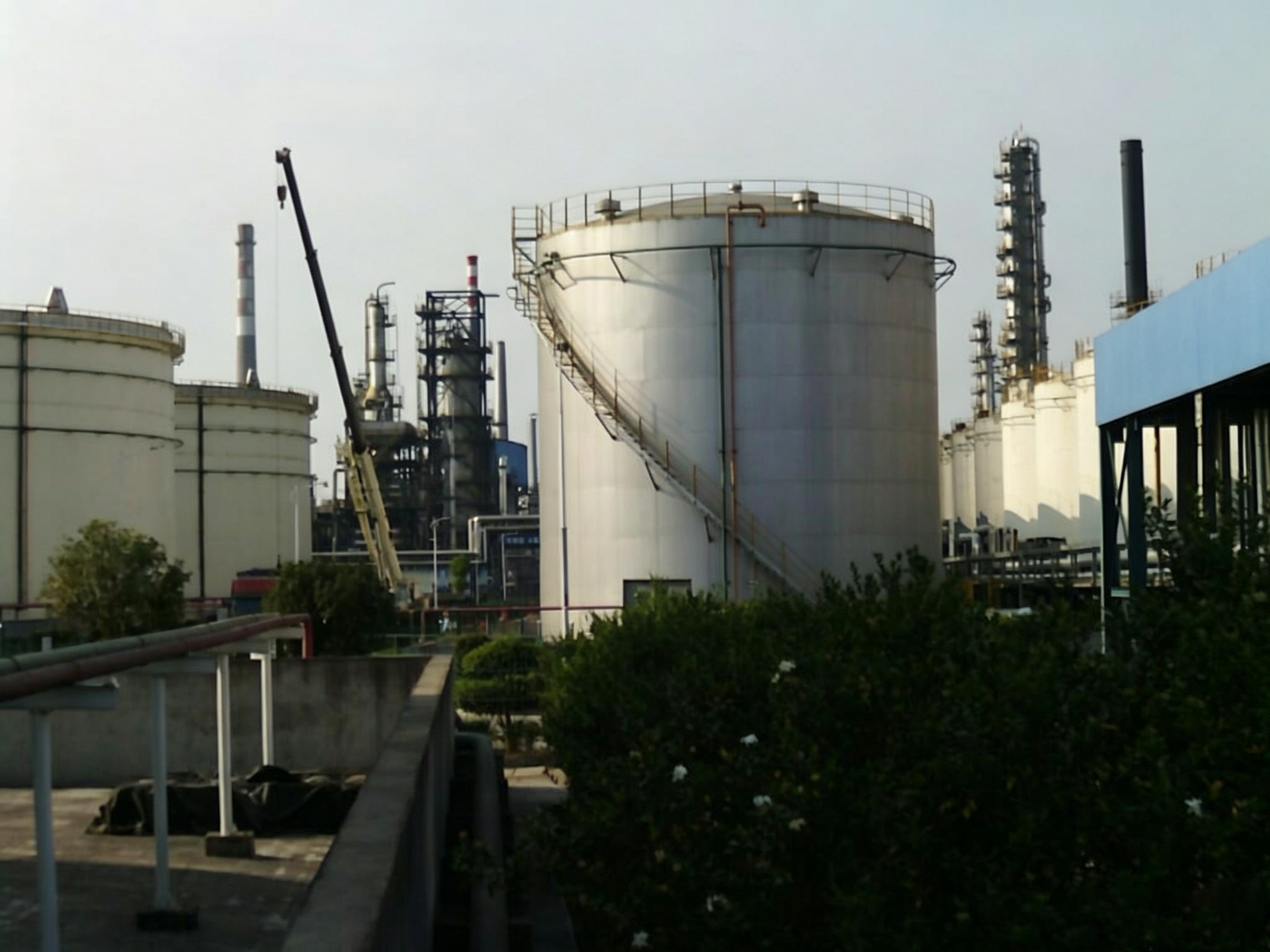
Large storage tanks are critical facilities for storing crude oil, refined petroleum products, liquefied gases, and a wide range of chemical raw materials in the oil and petrochemical industry. Liquid level gauges are essential for monitoring the amount of material stored in each tank. However, according to investigations conducted by Ministry of Emergency Management, liquid level gauge failures are among the leading causes of storage tank accidents.
Pain Points
- Traditional liquid level gauges provide only level readings and cannot visually indicate the liquid level or abnormal conditions inside the tank.
- Continuous exposure to harsh tank environments can cause corrosion or fouling, reducing the accuracy of liquid level gauges over time.
- Relying on a single instrument entails a high risk of failure and lacks effective cross-verification capabilities.
.jpeg)
Solution
Due to the difference in thermal conductivity between the liquid and gas inside the tank, a distinct boundary line appears on the tank's surface. Thermal cameras can clearly capture this actual liquid level boundary from the outside, providing a real-time visual indication of the level and establishing a dual-safeguard mechanism combining traditional level gauges with infrared thermal imaging.
Dual Verification: thermal cameras and liquid level gauges complement each other, eliminating the risk of failure associated with relying on a single instrument.
Intuitive Visualization: Thermal images clearly display the liquid level interface, eliminating the need for manual interpretation of complex data.
Safe, Non-Contact Detection: Liquid levels can be verified without requiring personnel to enter hazardous areas.
Pipeline Damage and Leak Inspection
Background
Pipelines serve as the primary means for transporting steam, raw materials, and products within petrochemical enterprises. Operating under long-term exposure to harsh weather and corrosive chemicals, they are typically protected by thermal insulation. Damage to the insulation or leaks from the pipeline are often concealed and difficult to detect. If left unaddressed, these issues can lead to environmental pollution, product loss, and personnel safety.
Pain Points
- Pipeline leaks hidden beneath insulation layers are impossible to identify through visual inspection.
- With a large number of connection points such as flanges and valves, individual inspection is highly time-consuming.
- Manual close-range inspection in hazardous areas poses significant safety risks.
.jpeg)
.jpeg)
Solution
Handheld thermal cameras can be used to inspect pipelines along their entire route, providing clear thermal images to identify insulation damage and internal medium leaks. Areas with damaged insulation or leakage points are clearly visible in thermal images. Regular thermal inspections of leakage-prone components such as valves, flanges, and pumps enable the early detection of minor leaks caused by insulation failure or sealing degradation.
Precise localization: Quickly identifies leak points and damaged insulation areas, eliminating unnecessary dismantling and inspection.
Enhanced efficiency: Enables fast, comprehensive scanning, improving inspection efficiency by several times compared with traditional methods.
Safe and reliable: Allows remote, non-contact inspection to keep personnel away from hazardous environments.
Hazardous Material Storage Inspection
Background
Petrochemical enterprises often store large quantities of flammable, explosive, toxic, and corrosive substances in hazardous material warehouses, oil depots, and hazardous waste storage areas. Even minor temperature anomalies can potentially trigger serious safety incidents. Traditional manual inspections cannot provide round-the-clock coverage, resulting in safety blind spots.
Pain Points
- Fire hazards in hazardous material storage areas are difficult to detect at an early stage.
- Manual inspections cannot provide 24/7 continuous coverage, leaving time-based monitoring gaps.
- Sudden temperature anomalies cannot be captured in real time or used for early warning.
.jpeg)
.jpeg)
Solution
Handheld thermal cameras can be deployed for routine inspections and targeted investigations, enabling detailed temperature measurements of key areas such as storage racks, material stacks, pipelines, and valves. The flexibility of handheld devices complements the fixed viewpoints of online monitoring systems, allowing supplementary inspections of blind spots such as the interior of stacked materials, the back of storage racks, and pipeline connections. This creates a dual-protection mechanism combining continuous online monitoring with flexible handheld inspections.
Dual protection: Combines handheld thermal cameras with fixed online thermal cameras for comprehensive monitoring.
Proactive warning: Detects abnormal temperature rises before fire incidents occur, shifting from post-event alarms to early risk prevention.
Reliable and comprehensive: Replaces manual inspections with technology-based monitoring to eliminate inspection blind spots.
Heat Exchanger Inspection
Background
Heat exchangers are critical heat transfer equipment in oil and petrochemical production. During long-term operation, internal tubes may experience blockages, leaks, or reduced heat transfer efficiency due to corrosion, scaling, and fouling caused by process media. If these issues are not detected and addressed in time, they can directly affect process temperature control accuracy, increase energy consumption, and in severe cases lead to equipment failures or safety incidents.
Pain Points
- Scaling, blockages, or leaks inside heat exchanger tubes cannot be identified through visual inspection.
- Reduced heat transfer efficiency is difficult to quantify, and increased energy consumption often goes unnoticed.
- Leakage at concealed areas such as floating heads and flanges is difficult to detect.
.jpeg)
.jpeg)
Solution
Thermal cameras detect heat exchanger conditions based on temperature differences of the internal process media. When leakage, blockages, or scaling occur inside the heat exchanger, abnormal temperature patterns appear on the surface of the plates or shell. By analyzing surface temperature distribution, it’s able to quickly evaluate if the heat transfer performance is reduced and identify potential areas affected by scaling, blockages, or leaks.
Non-stop inspection: Enables comprehensive evaluation without equipment shutdown or disassembly, even during operation.
Multi-dimensional diagnosis: Simultaneously identifies scaling, blockages, leaks, insulation failures, and other potential issues.
Energy efficiency improvement: Detects reduced heat transfer performance early to prevent energy waste.
.png)

.png)