






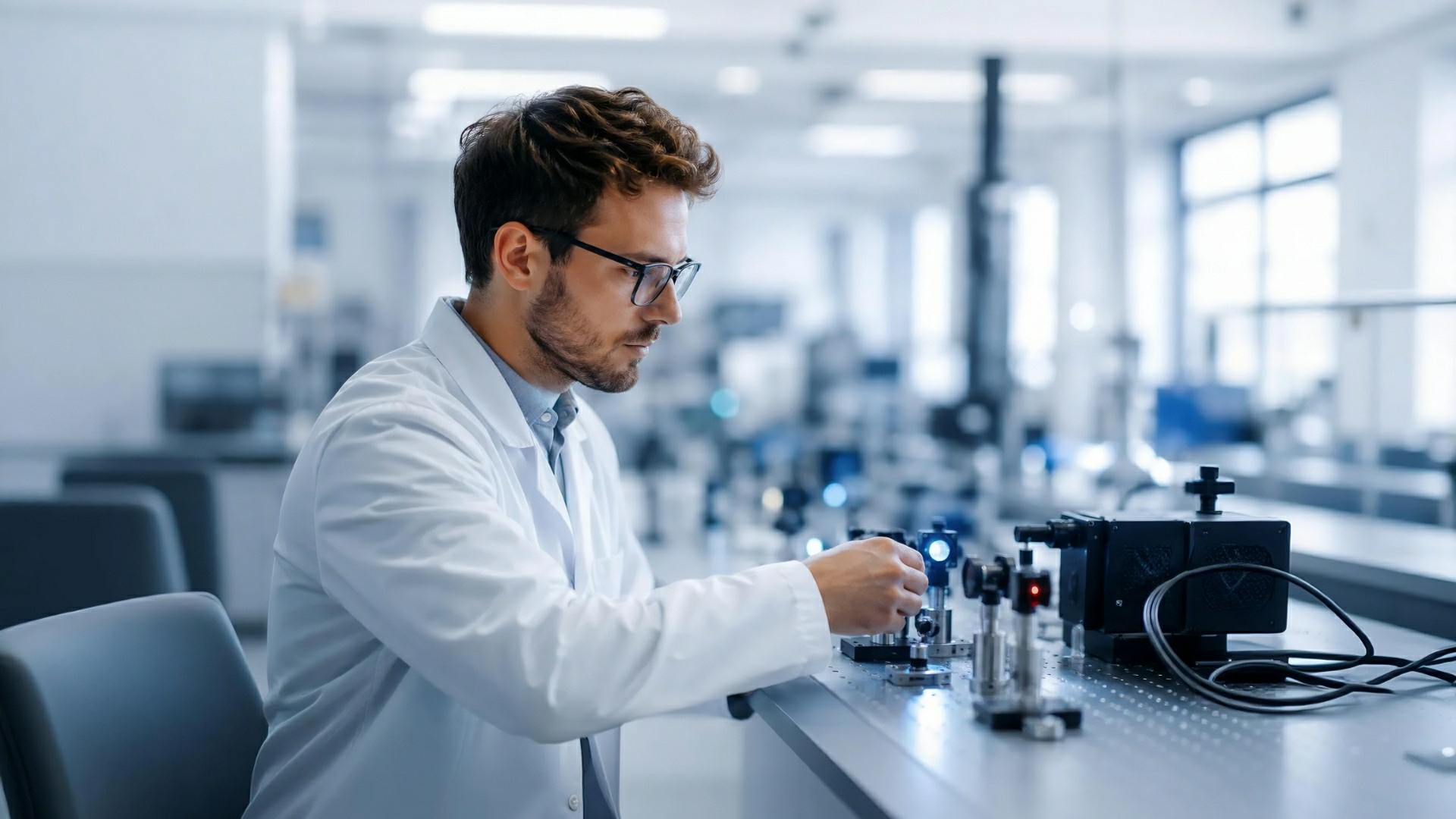
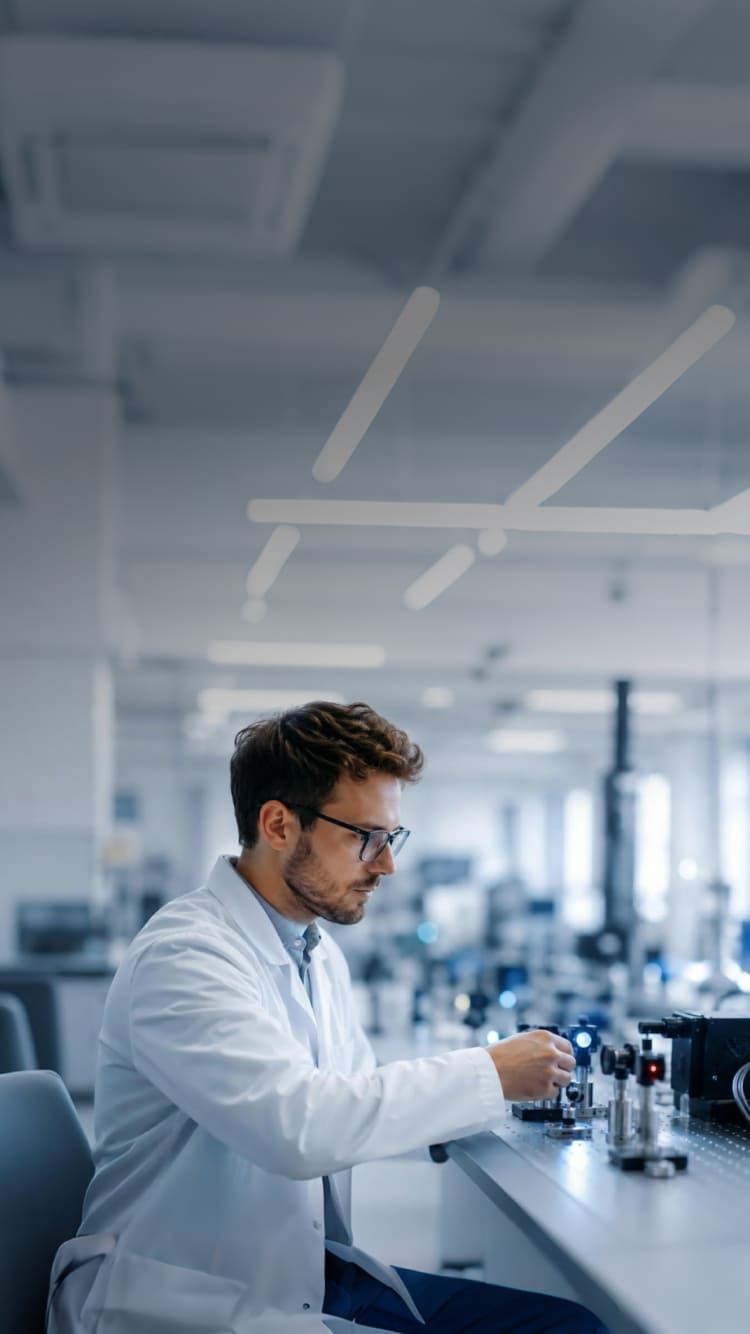
Beyond Measurement,
Enabling Scientific Innovation.
Thermal Imaging Solutions for Scientific Research
Overview
Scientific research is a key driver of technological advancement and industrial innovation, while temperature serves as a critical parameter for understanding the fundamental properties and behaviors of materials and living systems. Traditional contact-based temperature measurement methods not only interfere with the original state of the objects being measured but also make it difficult to obtain comprehensive temperature distributions and dynamic thermal changes, limiting research accuracy and efficiency.
Thermal imaging technology offers unique advantages, including non-contact temperature measurement and high thermal sensitivity. Without disturbing the target under study, it can precisely capture complete thermal information ranging from micro-scale components to macroscopic materials, and from static temperature distributions to dynamic thermal processes. Transform invisible temperature variations into visual thermal images and quantitative data.
Thermal imaging technology offers unique advantages, including non-contact temperature measurement and high thermal sensitivity. Without disturbing the target under study, it can precisely capture complete thermal information ranging from micro-scale components to macroscopic materials, and from static temperature distributions to dynamic thermal processes. Transform invisible temperature variations into visual thermal images and quantitative data.
PCB Thermal Analysis
Background
Printed circuit boards (PCBs) are the core platforms of modern electronic devices, integrating numerous components such as chips, resistors, and capacitors. As electronic products continue to evolve toward higher density, greater power levels, and more compact designs, thermal management of PCBs has become a critical factor affecting product reliability and service life.
Pain Points
- Traditional contact-based methods only measure point temperatures and may affect the thermal characteristics of PCBs.
- Early-stage temperature rises are subtle and easily overlooked by visual inspection or conventional techniques.
- Low efficiency in batch testing makes traditional approaches time-consuming and labor-intensive.
.jpeg)
.jpeg)
Solution
Use handheld thermal cameras for PCB thermal analysis. Equipped with macro lenses, the cameras enable precise temperature measurement of micro-scale electronic components. Thermal cameras clearly reveal the overall temperature distribution across the entire circuit board, allowing engineers to intuitively identify abnormal hotspots and analyze thermal patterns through thermal images.
Comprehensive Thermal Visualization: Reveal complete temperature distributions from single points to the entire thermal field.
Non-Contact, Non-Destructive Testing: Preserve the original thermal characteristics of PCBs without physical interference.
Enhanced R&D Efficiency: Accelerate development cycles and support faster product launches.
Material Thermal Performance Testing
Background
Material science is the foundation of technological advancement. Thermal properties such as thermal conductivity, thermal diffusivity, thermal expansion coefficient, and phase transition behavior directly determine the application potential of materials in fields including electronics, energy, and aerospace.
Pain Points
- Traditional contact sensors have limited sensitivity, making it difficult to accurately capture small temperature differences.
- Conventional temperature measurement methods lack sufficient sensitivity for materials with subtle temperature variations.
- It’s difficult to capture temperature change trends during material heating or mechanical stress processes.
.jpeg)
.jpeg)
Solution
Thermal cameras can be used for material thermal performance testing. Equipped with macro lenses, they enable precise temperature measurement of micro-scale targets. Thermal cameras can fully record the entire temperature rise process of materials while simultaneously evaluating heat dissipation performance. Combined with analysis software, they can generate temperature rise curve reports to intuitively visualize dynamic temperature variations.
Non-Contact, Non-Destructive Testing: Evaluate thermal performance and detect defects from a safe distance.
Micro-Scale Target Measurement: Combined with macro lenses, achieve precise temperature measurement of targets as small as 38 μm.
Complete Dynamic Process Recording: Capture real-time temperature changes throughout the entire material heating process.
Temperature Observation in Plant and Animal Studies
Background
In plant and animal physiology research, temperature variations are important indicators for evaluating health condition. Traditional contact-based temperature measurement methods may interfere with natural animal behaviors and are unable to provide comprehensive temperature distribution information.
Pain Points
- Contact-based temperature measurement may disturb the subjects under study.
- Subtle temperature variations require higher thermal sensitivity for measurement equipment.
- Strict requirements are placed on the accuracy of temperature measurement data.
.jpeg)
.jpeg)
Solution
High-precision thermal cameras are recommended for temperature observation in plant and animal studies. The non-contact nature of thermal imaging enables researchers to collect temperature data without disturbing natural animal behaviors. In plant research, thermal cameras can measure the surface temperature of leaves and plants, providing insights into physiological conditions through temperature variations. In animal studies, they enable remote measurement of body surface temperatures to evaluate metabolic activity and stress responses.
Non-intrusive observation: No contact or interference; faithfully reflects the natural state of plants and animals.
High-sensitivity detection of minute temperature differences: Capable of capturing extremely subtle temperature variations.
High-precision data assurance: Accurate and reliable measurements providing a data foundation for quantitative analysis.
Thermal Testing for Product R&D
Background
Throughout the product development process—from concept design to mass production—thermal design plays a critical role in determining product reliability, safety, and user experience. Accurate temperature measurement and thermal analysis are essential at every stage of product development.
Pain Points
- Lack of intuitive tools for validating thermal design performance.
- Difficult to measure the temperature of moving targets during dynamic testing.
- Limited testing efficiency slows product development cycles.
.jpeg)
Solution
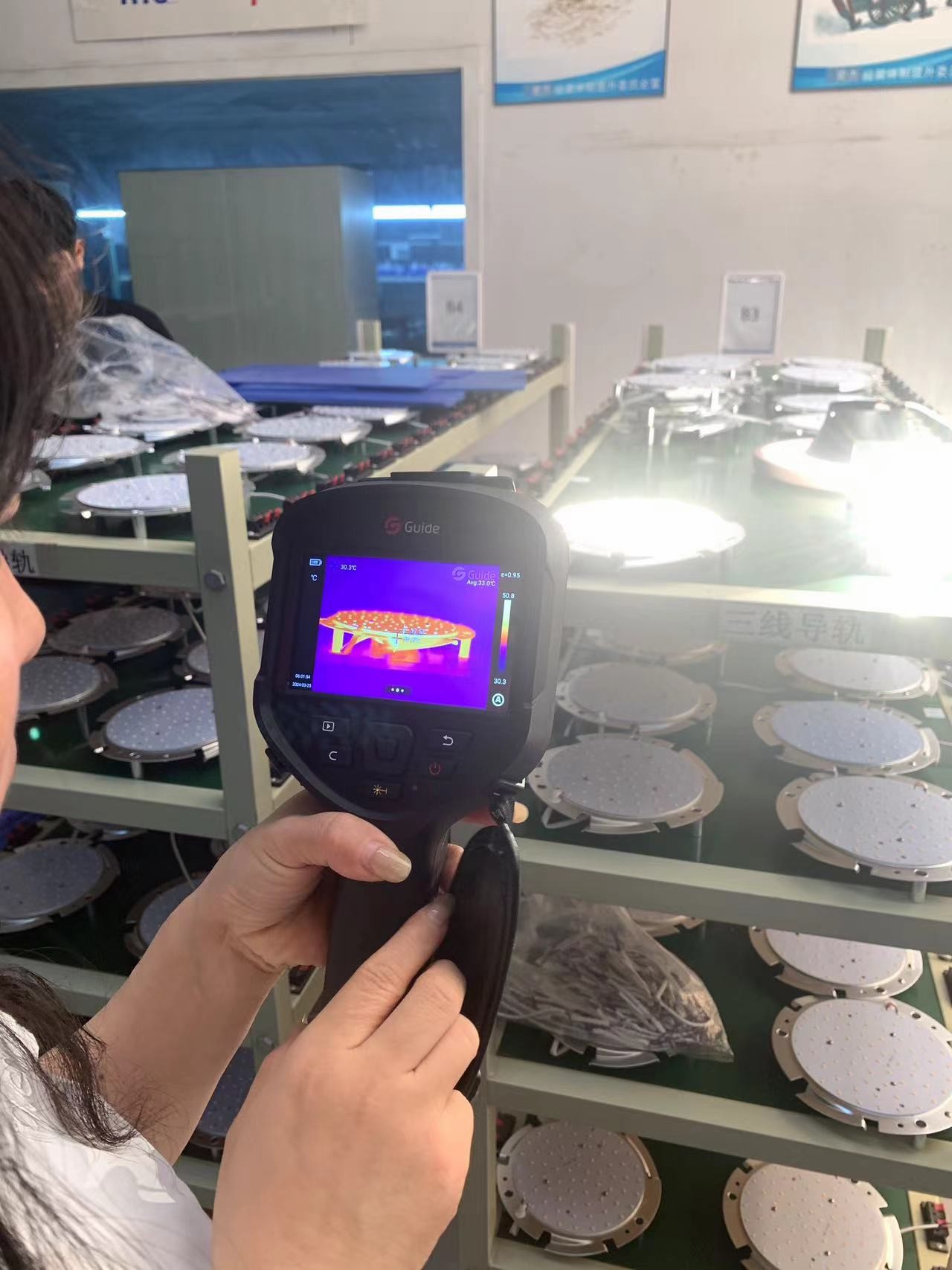
In electronic product development, thermal cameras enable real-time visualization of temperature distribution across PCBs, allowing engineers to identify and optimize potential hotspots. During heat dissipation solutions,, researchers can quickly and intuitively compare the performance of different cooling solutions using thermal images. Providing a non-contact, efficient, and fully visualized approach to thermal testing, thermal camera has become an essential tool in modern product development laboratories.
Accelerated Product Development: Acquire thermal data quickly to shorten the design–validation–optimization cycle.
Non-Contact, Non-Destructive Testing: Evaluate thermal performance without affecting product operation or causing physical damage.
Real-Time Thermal Process Monitoring: Track temperature changes throughout the product's operating cycle in real time.
.png)

.png)