






Detect Hidden Heat Sources.
Prevent Fire Risks.
Thermal Imaging Solutions for Fire Early Warning
Overview
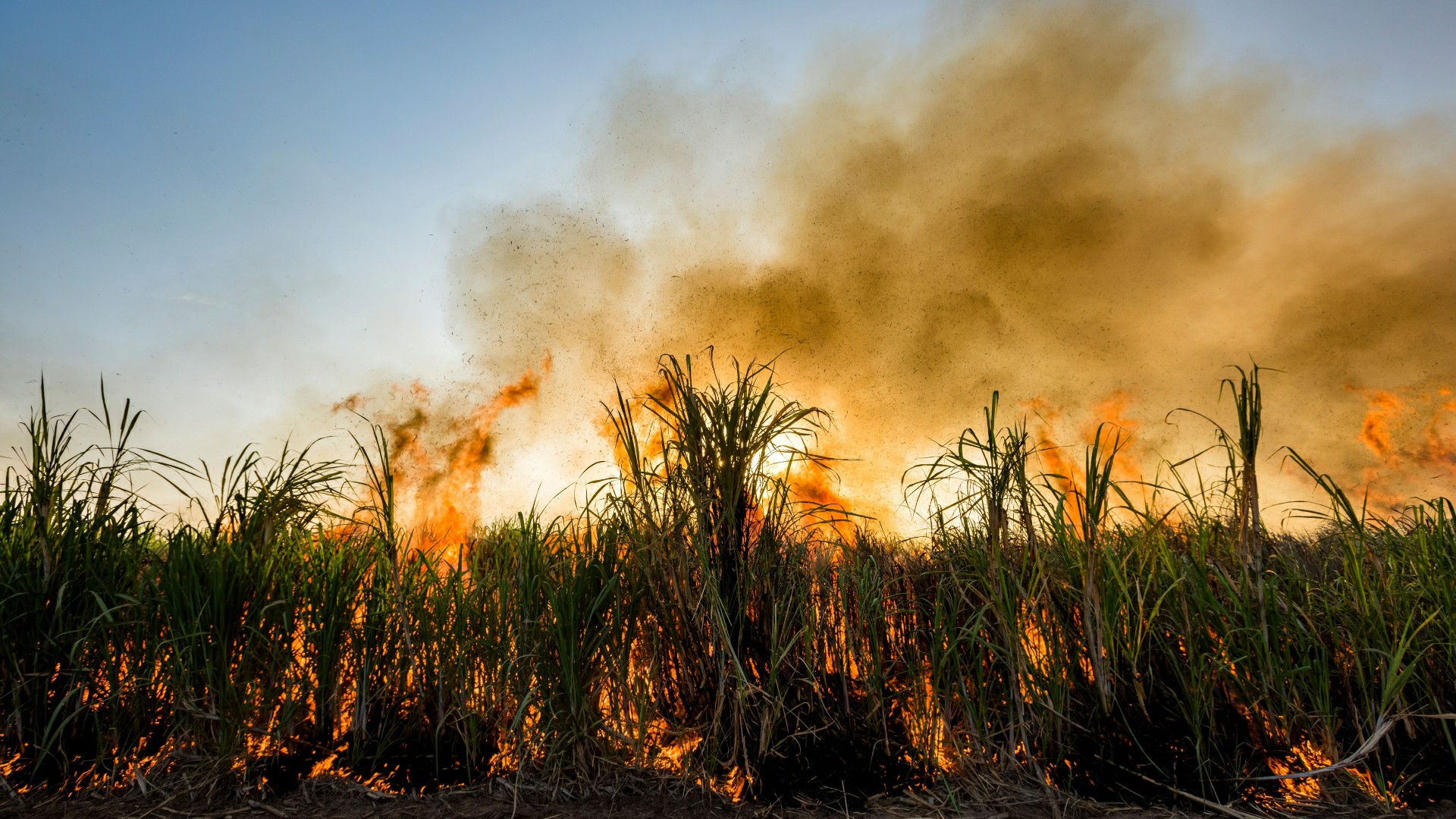
Fire is one of the most serious disasters threatening human lives and property safety. Traditional fire warning methods rely heavily on manual inspections and passive smoke alarms, which often suffer from limited coverage and delayed response. More importantly, they cannot detect abnormal temperature rises before a fire breaks out. In most fire incidents, there is a hidden stage where temperature gradually increases before visible flames appear — providing a critical window for early intervention.
With the advantages of long-distance, wide-area detection and high thermal sensitivity, thermal imaging technology can accurately capture subtle temperature changes at the early stage of potential hazards. It helps transform traditional labor-intensive protection into reliable technology-based safety monitoring, building a stronger safety barrier and providing comprehensive protection for urban environments and natural ecosystems.
With the advantages of long-distance, wide-area detection and high thermal sensitivity, thermal imaging technology can accurately capture subtle temperature changes at the early stage of potential hazards. It helps transform traditional labor-intensive protection into reliable technology-based safety monitoring, building a stronger safety barrier and providing comprehensive protection for urban environments and natural ecosystems.
Forest Fire Prevention
Background
Traditional forest fire prevention relies heavily on manual patrols, which entail significant labor demands, limited coverage areas, and delays in detecting potential hazards. If a fire goes undetected, it can spread rapidly—fanned by the wind—causing irreversible ecological damage. The core challenge of forest fire prevention lies in achieving early detection, early warning, and early response, ensuring that fires are extinguished while they are still small and manageable.
Pain Points
- Vast forest areas make full manual patrol coverage difficult to achieve.
- Hidden smoke sources and small fire spots, especially those at long distances or behind obstacles, are impossible to detect with the naked eye.
- Severely delayed response: Long intervals between fire detection, reporting, and action often result in missed opportunities for early firefighting.
.jpeg)
.jpeg)
Solution
Deploy thermal cameras in high-risk forest areas to build an early wildfire warning and monitoring system. Capable of detecting abnormal temperature hotspots several kilometers away, the system operates reliably day and night and is minimally affected by fog, rain, or complex terrain. It automatically detects potential fire hazards, accurately pinpoints their locations, and delivers real-time early warning alerts.
Wide-Area Coverage: Monitor forest areas over a radius of several kilometers, significantly reducing the need for manual patrols.
Precise Detection: Accurately identify hidden smoke sources and small fire spots from long distances, minimizing the risk of missed hazards.
Early Detection, Early Response: Detect and suppress fires while they are still small and controllable.
Fire Prevention in Coal Mines
Background
Spontaneous combustion of coal piles is a common phenomenon in coal mines; its occurrence can cause massive losses to the entire coal storage area and release toxic gases that threaten personnel safety. Open-pit coal mines cover vast areas with widely distributed residual coal, and the prolonged exposure of coal to the air further exacerbates the risk of spontaneous combustion.
Pain Points
- High risk of spontaneous combustion in coal pile areas.
- Detection of spontaneous combustion is delayed; by the time open flames appear on the surface, the situation is already difficult to control.
- Hidden high-temperature hotspots are difficult to locate.
.jpeg)
.jpeg)
Solution
Handheld thermal cameras can be used for routine inspections and temperature monitoring of coal storage yards at coal mines. They enable the efficient, non-contact identification of localized hotspots and high-temperature zones on coal pile surfaces from a safe distance. When an abnormal localized temperature rise is detected, the thermal camera displays the high-temperature location in real time and triggers an over-temperature alarm, assisting management personnel in promptly implementing cooling measures—such as ventilation or water spraying—to prevent spontaneous combustion of the coal.
Non-contact, long-range temperature measurement: Eliminates the need for personnel to enter hazardous areas, ensuring safety during inspection.
Early warning: Triggers an immediate alarm when temperatures reach a threshold, nipping the risk of spontaneous combustion in the bud.
Adaptability to harsh environments: Operates reliably under challenging conditions such as dust, smoke, and low light.
Warehouse Fire Safety
Background
Warehouses are centralized storage facilities where certain materials can undergo exothermic reactions without external ignition, causing internal temperatures to rise to their auto-ignition point. Whether in industrial warehouses, hazardous materials storage facilities, or logistics distribution centers, a fire can spread rapidly and destroy an entire facility within a very short time, resulting in substantial property losses and even casualties.
Pain Points
- Traditional smoke detectors respond too late to provide early fire warning.
- Smoldering fire sources are difficult to detect, and traditional detectors perform poorly.
- Hazardous materials warehouses require a high level of fire protection, especially during nighttime operations.
.jpeg)
.jpeg)
Solution
Deploy fixed thermal cameras throughout the warehouse for continuous monitoring, while equipping safety personnel with handheld thermal cameras for targeted inspections. Together, they provide 24/7 temperature monitoring of stored goods and critical equipment. By combining high-resolution thermal imaging with visible-light images, the system quickly identifies and pinpoints abnormal temperature areas. Because thermal camera does not rely on visible light, it delivers reliable around-the-clock monitoring in all lighting conditions.
Proactive Early Warning: A shift from reactive alarms to proactive early warnings
24/7 Monitoring: Operate reliably in all lighting conditions, providing 24/7 protection even in dark warehouses.
Smoke Penetration: Continue to support firefighters by locating fire sources and trapped victims, even in smoke-filled environments.
Urban Fire Early Warning
Background
Cities are characterized by high population density and a multitude of buildings, resulting in significant fire risks. Furthermore, high-rise buildings, large industrial facilities, and other complex environments demand advanced long-range detection capabilities.; night-time is a period when fire incidents are prone to occur, making it a critical time for prevention and control.
Pain Points
- Difficult to achieve comprehensive coverage, resulting in numerous monitoring blind spots.
- Manual patrols have limited coverage.
- Insufficient nighttime visibility increases fire detection challenges, while night is also a critical period for fire prevention and control.
.jpeg)
.png)
Solution
Deploy thermal cameras in key urban areas to build an urban fire early warning and monitoring network. Integrating high-sensitivity infrared thermal imaging with high-definition visible-light imaging, the system provides ultra-long-range detection capabilities. Combined with AI-powered intelligent analytics, it can automatically identify potential fire hazards and accurately locate abnormal heat sources.
Nighttime Monitoring and Prevention: Piercing through darkness and smoke to enable round-the-clock surveillance.
Ultra-Long-Range Precision Detection: Accurate early warnings of fire hazards from several kilometers away.
Precise Localization: Instant visualization of heat source distribution, fire coordinates, and spread direction, providing a visual basis for informed decision-making.
.png)

