







Detect Thermal Anomalies.
Ensure Reliable Power Delivery.
Thermal Imaging Solution for the Power Distribution Industry
Overview
Power distribution serves as the final link in the electricity delivery chain, supplying power directly to end users in factories, commercial buildings, and residential communities. The reliability of distribution systems is critical to ensuring public safety and maintaining uninterrupted power supply. With a vast number of assets—including distribution cabinets, power cables, transformers, and fuses—operating across diverse and often demanding environments, issues such as equipment aging, loose connections, and overload conditions can easily lead to electrical fires and widespread power outages.
Thermal imaging technology offers unique advantages, including long-distance, non-contact temperature measurement, rapid screening, and intuitive visualization. It enables the accurate detection of abnormal temperature rises in operating distribution equipment, allowing potential faults to be identified before they escalate. This provides strong support for the safe, reliable operation of distribution networks and the continuity of power supply.
Thermal imaging technology offers unique advantages, including long-distance, non-contact temperature measurement, rapid screening, and intuitive visualization. It enables the accurate detection of abnormal temperature rises in operating distribution equipment, allowing potential faults to be identified before they escalate. This provides strong support for the safe, reliable operation of distribution networks and the continuity of power supply.
Power Distribution Cabinet Thermal Inspection
Background
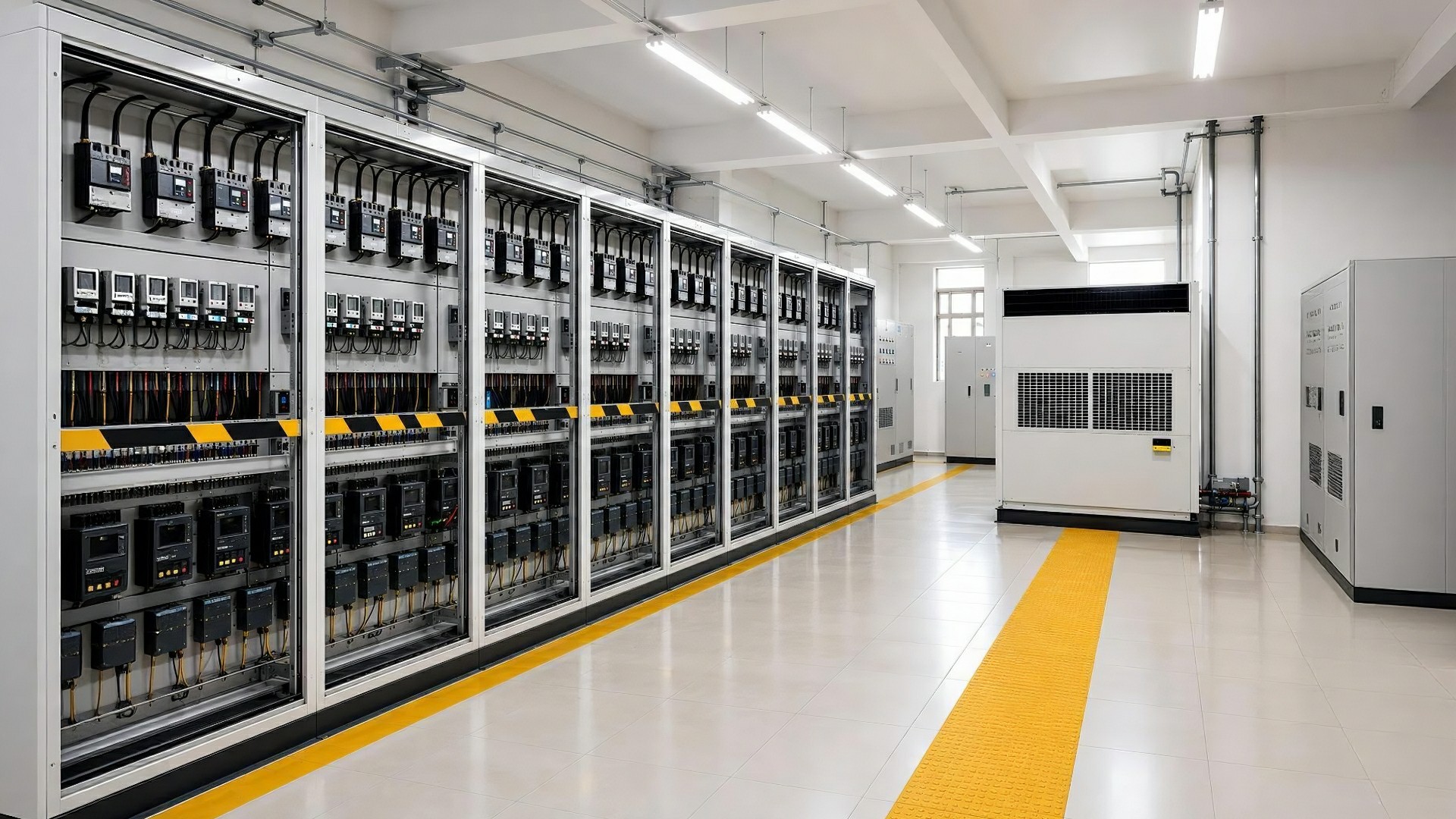
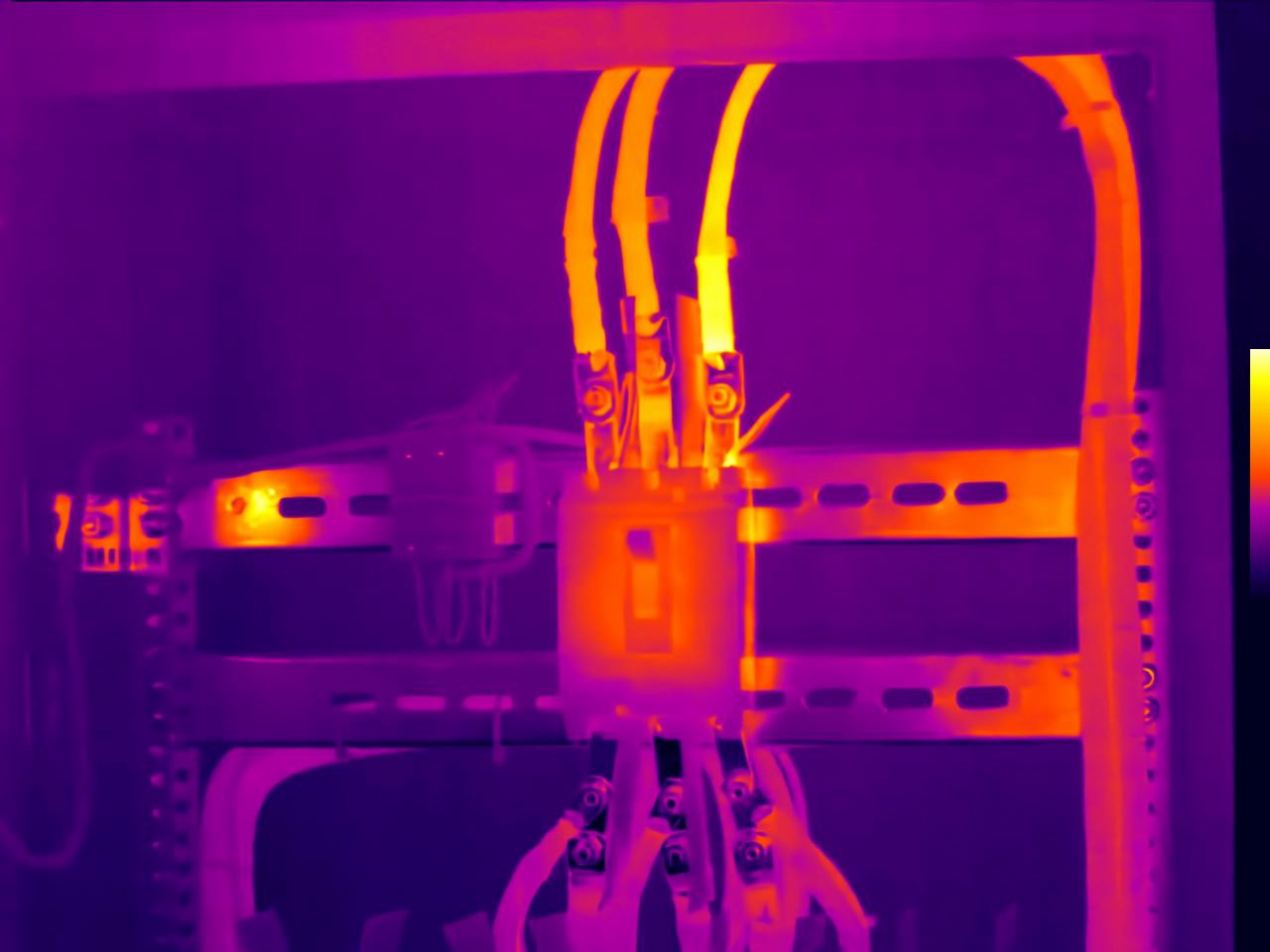
Power distribution cabinets are the most fundamental and numerous pieces of equipment in power distribution networks. They house numerous electrical components, including circuit breakers, contactors, busbars, and terminal blocks. During long-term operation, issues such as loose connections, oxidized contacts, and excessive electrical loads can cause localized overheating of internal components and connection points. If left undetected, these thermal anomalies may lead to electrical fire.
Pain Points
- The large number of distribution cabinets makes manual cabinet-by-cabinet inspection inefficient.
- The compact internal layout makes some hotspots concealed and difficult to access.
- Faults inside enclosed cabinets cannot be identified through visual inspection, while internal wiring limits accessibility.
Solution
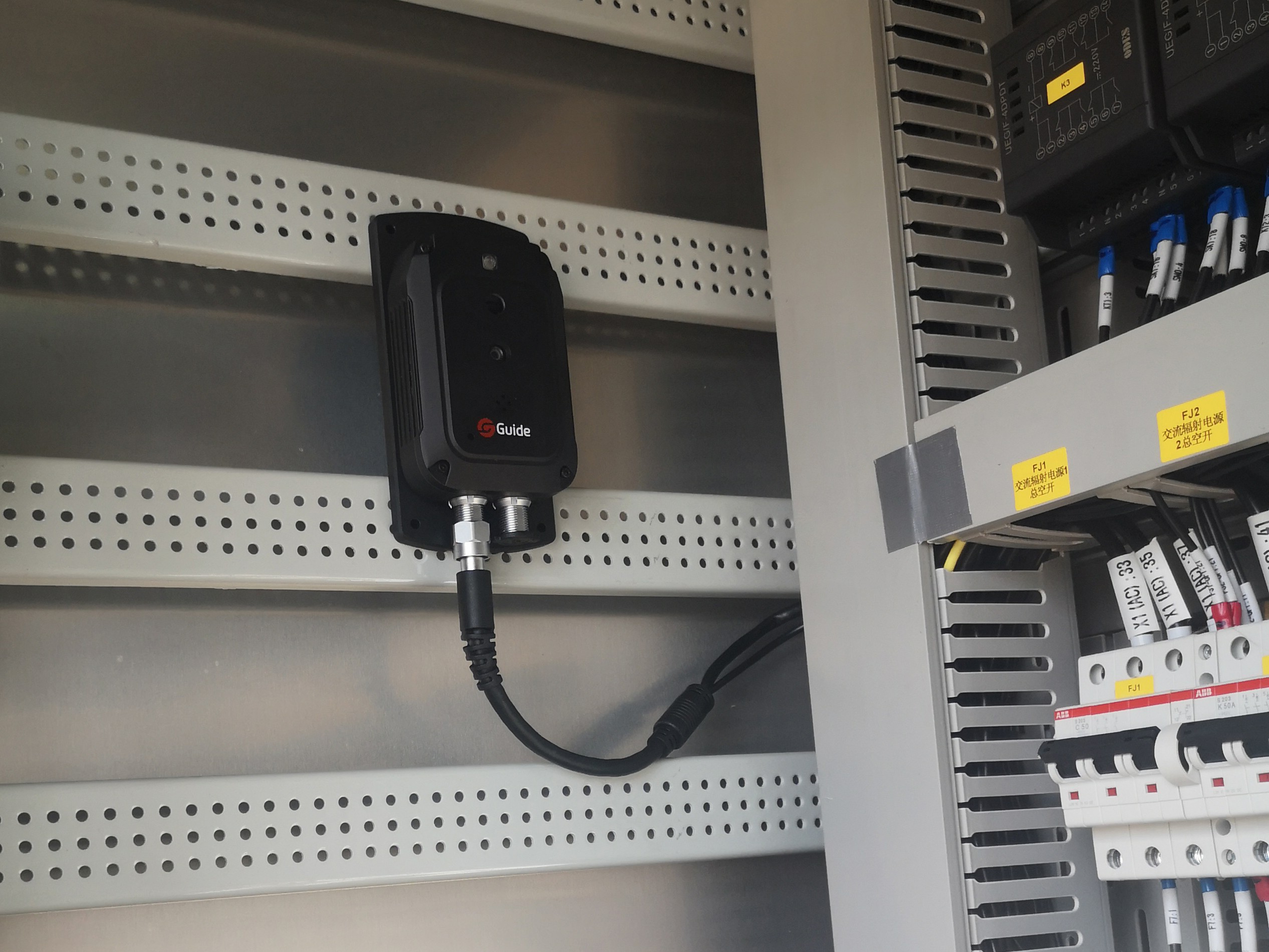
For distribution cabinet temperature monitoring, a fixed thermal camera is recommended to continuously monitor internal components and electrical connection points. It enables rapid detection of abnormal hotspots without physical contact while providing 24/7 uninterrupted temperature monitoring. Designed for the confined space inside distribution cabinets, it features flexible installation, simplified wiring, and real-time alarm capabilities.
Live-line inspection: Perform comprehensive inspection while distribution cabinets remain energized.
Optimized for confined spaces: Compact design enables easy installation and simplified wiring.
24/7 protection: Continuous online monitoring eliminates inspection blind spots and provides timely alerts for abnormal temperature rises.
Cable Fire Prevention Inspection
Background
Power cables are the primary medium for electricity transmission in distribution systems, including power cables, intermediate joints, and terminations. During long-term operation under heavy electrical loads, issues such as insulation aging, poor joint workmanship, and overload conditions can lead to localized overheating. These faults may result in insulation breakdown, electrical fires, and widespread power outages.
Pain Points
- Confined spaces in cable trenches and cable shafts make inspection difficult and limit personnel access.
- Hidden cable joints make overheating faults difficult to detect.
- Sudden temperature rises caused by overload conditions cannot be captured in real time.
.jpg)
.jpg)
Solution
For cable inspection in confined spaces, Network Turret Cameras or Network Bullet Cameras are recommended to continuously monitor critical locations such as cable joints and terminations. They enable rapid, non-contact detection of abnormal hotspots while providing 24/7 uninterrupted temperature monitoring and real-time alarm notifications.
Non-contact safety inspection: No contact with energized parts required, ensuring personnel safety.
Precise fault localization: Quickly pinpoint overheating cable joints, reducing the scope of maintenance.
Real-time online alerts: Continuously monitor sudden temperature rises to prevent fault escalation.
Pad-Mounted Transformer Thermal Inspection
Background
Pad-mounted transformers (pad-mounted transformers, pole-mounted transformers) are key equipment in power distribution networks that convert high-voltage electricity into low-voltage power for end users. Operating in outdoor environments over long periods, they are exposed to load fluctuations and ambient temperature variations. Components such as high- and low-voltage bushings, connection terminals, and oil tanks are prone to abnormal heating caused by poor contact, overload conditions, or low oil levels.
Pain Points
- Distributed installations of pad-mounted transformers make individual inspections time-consuming and inefficient.
- Internal oil tank issues such as low oil level and insulation degradation are difficult to identify through visual inspection.
- Elevated installation positions make inspection and maintenance inconvenient.
.jpeg)
.jpeg)
Solution
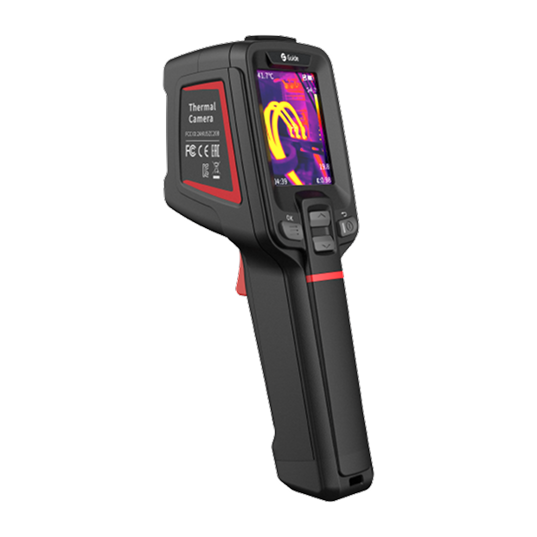
Handheld thermal cameras enable infrared temperature measurement of pad-mounted transformers, including high- and low-voltage bushings, connection terminals, and oil tank surfaces. By analyzing the surface thermal distribution, operators can assess internal operating conditions. Thermal imaging clearly visualizes temperature differences across the three phases of bushings, allowing abnormal phases to be quickly identified through inter-phase comparison.
Ground-based remote inspection: Enables comprehensive scanning from ground level without climbing poles.
Intuitive assessment of internal conditions:: Surface thermal patterns of the oil tank help evaluate oil level and insulation conditions.
Efficient inspection: Significantly reduces inspection time for each unit, improving overall distribution transformer inspection efficiency.
Fuse Thermal Inspection
Background
Fuses are critical overcurrent protection devices in power distribution lines. In the event of a short circuit or overload, the fuse element melts to interrupt fault current, protecting downstream circuits and equipment. During long-term operation, issues such as contact oxidation and spring fatigue may lead to poor electrical contact. In addition, sustained overload conditions can cause abnormal heating of the fuse element, potentially resulting in mis-operation or fuse damage.
Pain Points
- The large number of fuses makes individual inspection time-consuming and labor-intensive.
- Early-stage temperature rises caused by poor contact are often subtle and may be missed during routine inspections.
- The internal condition of fuse elements cannot be assessed through visual inspection.
.jpeg)
.jpeg)
Solution
Handheld thermal cameras are used to perform infrared temperature inspection of fuses in power distribution lines. Thermal images provide a clear visualization of the temperature distribution across the fuse body and its terminal connections. This enables rapid identification of abnormal hotspots caused by poor contact or overload conditions, and supports early assessment of fuse health status.
Rapid screening: Enables batch inspection of multiple fuses in a single operation, significantly improving efficiency.
Preventive maintenance: Early detection of poor contact helps prevent fuse anomalies and failures.
Live-line inspection: Inspection can be performed under energized conditions without interrupting power supply to end users.

.png)
.png)
.png)