






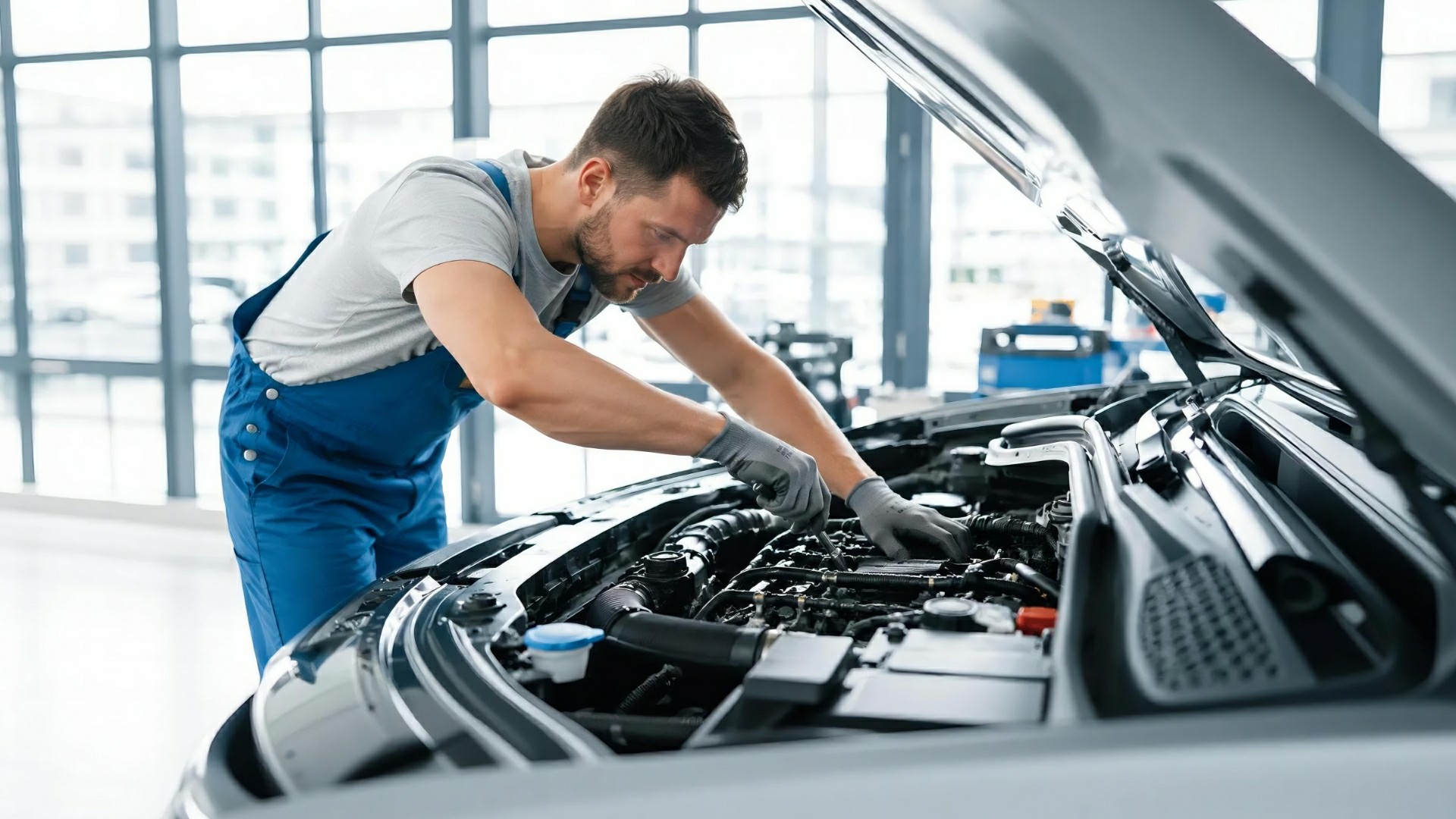

Detect Hidden Vehicle Thermal Risks.
Protect Every Journey.
Thermal Imaging Solutions for Automotive Inspection
Overview
Vehicles are an essential part of modern transportation, and their performance and safety are directly related to the safety of drivers, passengers, and property. During long-term operation, abnormal temperature rises caused by wear, aging, poor electrical contact, or cooling failures are often the earliest indicators of potential faults. Traditional vehicle inspection relies on technician experience and contact-based spot temperature measurements, resulting in low efficiency, limited coverage, and an inability to capture a complete thermal profile while the vehicle is in operation.
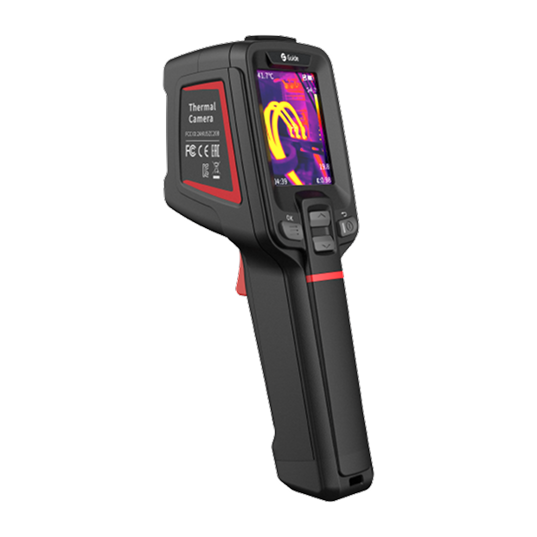
Thermal imaging technology enables precise visualization of the temperature distribution across vehicle components during operation or testing, making hidden thermal issues immediately visible. From R&D validation to after-sales service and maintenance, thermal cameras have become an indispensable diagnostic tool for automotive engineers and service technicians, providing a scientific and efficient approach to improving vehicle safety and enabling accurate fault diagnosis.
Thermal imaging technology enables precise visualization of the temperature distribution across vehicle components during operation or testing, making hidden thermal issues immediately visible. From R&D validation to after-sales service and maintenance, thermal cameras have become an indispensable diagnostic tool for automotive engineers and service technicians, providing a scientific and efficient approach to improving vehicle safety and enabling accurate fault diagnosis.
Lithium Battery Inspection
Background
The traction battery is the heart of new energy vehicles. During repeated charge and discharge cycles, increased cell internal resistance, loose electrical connections, and localized cooling failures can lead to abnormal heat accumulation. Thermal runaway is one of the most critical safety risks in lithium battery systems, and abnormal temperature rises often appear earlier than the voltage or current deviations detected by the Battery Management System (BMS).
Pain Points
- Spot thermometers measure only individual points, making it difficult to evaluate the overall thermal uniformity of battery modules.
- Contact issues such as looseness or oxidation in high-voltage connectors can easily lead to localized overheating or even burnout under high-current conditions.
- Internal battery defects are difficult to detect through visual inspection or conventional electrical testing.
.jpeg)
.jpeg)
Solution
During charge-discharge testing or actual vehicle operation, thermal images provide a visual representation of the temperature distribution across individual battery cells. Any isolated "hotspot" cell deviating from the thermal baseline becomes clearly distinguishable on the map, enabling maintenance personnel to perform repairs scientifically and precisely.
Early warning: Detect abnormal temperature rises at an early stage, preventing potential failures before they escalate.
Comprehensive diagnosis: Perform a multi-dimensional evaluation of battery module performance in a single inspection.
Safe, non-contact inspection: No need to disassemble the battery pack, ensuring safer inspection.
Engine Testing
Background
The engine is the core component of a conventional internal combustion vehicle, and its operating condition directly affects vehicle performance, fuel efficiency, and service life. Minor defects are often difficult to detect and locate at an early stage, yet they can accelerate component wear and increase fuel consumption.
Pain Points
- The complex engine structure makes it difficult for spot thermometers to capture the complete temperature distribution across all components.
- Subtle temperature variations caused by microcracks or design differences are difficult to detect.
- During dynamic testing and simulated road conditions, it is difficult to monitor temperature changes across engine components in real time.
.jpeg)
.jpeg)
Solution
Thermal imaging technology enables rapid visualization of the overall temperature distribution throughout the engine compartment without destroying the system structure. It clearly reveals heat concentration areas and cooling bottlenecks, helping service technicians quickly identify localized overheating and accurately locate potential fault sources.
Inspection without downtime: Perform comprehensive inspection while the engine remains in operation.
Precise localization: Thermal images clearly identify fault areas, eliminating unnecessary disassembly.
Dynamic monitoring: Ideal for dynamic testing such as simulated road conditions, capturing transient temperature rises in real time.
Heated Seat Inspection
Background
The seat heating system generates heat through resistive heating wires embedded within the seat. Issues such as broken heating wires or poor contact can lead to abnormal temperature distribution, affecting heating performance and even posing safety hazards.
Pain Points
- It is difficult to visually determine the continuity status of the heating wires by the naked eye.
- Traditional contact-based sensors are slow, hindering repair efficiency.
- Faults such as uneven heating or localized overheating are hard to detect through touch or simple testing methods.
.jpeg)
.jpeg)
Solution
Using a handheld thermal camera to inspect the system while powered allows for effective diagnosis: under normal conditions, the heating wire exhibits uniform temperature distribution; a broken heating wire appears as a distinct "cold zone" at the point of failure, while poor contact manifests as a localized "hot spot." The thermal image provides a clear visualization of the temperature distribution across the heating wire, enabling technicians to quickly assess system status and precisely locate faults.
Rapid Detection: A comprehensive diagnosis of the entire seat heating system can be completed within minutes.
Precise Localization: Thermal images clearly display the exact location of broken wires or poor contact points.
Non-contact & Non-destructive: No physical contact with heating elements is required, preserving the integrity of the seat.
Rear Window Heating Wire Inspection
Background
The rear window generates heat to defrost and defog by passing an electric current through fine resistance wires embedded within the glass. These heating wires are so thin that short circuits or breaks cannot be detected by the naked eye. If a wire breaks, suffers from a poor solder joint, or has a faulty connection, the heating performance is compromised; this leads to impaired visibility and directly affects driving safety.
Pain Points
- Continuity status of the heating wires cannot be determined by the naked eye.
- Traditional testing methods are inefficient, making rapid inspection and repair difficult.
- Break points or poor solder joints are concealed, making precise localization challenging.

Solution
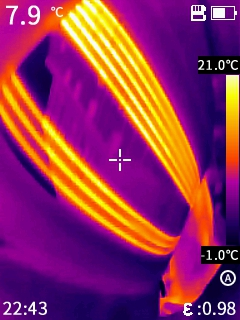
Using a handheld thermal camera to inspect the energized heating wires allows for effective testing: under normal conditions, heating wires heat up evenly, displaying a uniform brightness distribution on the thermal image, whereas defective sections (such as broken wires or poor contacts) heat up slowly or not at all, appearing as localized cold zones or thermal discontinuities. The thermal camera clearly displays the temperature distribution of each wire, enabling the rapid identification of anomalous areas.
Non-contact inspection: Causes no damage to the glass.
Rapid imaging: Captures the full thermal image within seconds.
High resolution: Clearly reveals minute break points with high localization accuracy.
Tire Inspection
Background
Tire performance directly affects driving safety and comfort. The surface temperature of a tire is an important indicator of its operating condition. Excessive temperatures can accelerate wear and aging, and even lead to tire blowouts, while insufficient temperatures may reduce traction and braking performance. Under extreme operating conditions, changes in tire temperature often indicate potential performance limits and safety risks.
Pain Points
- Tire damage severity is difficult to assess visually.
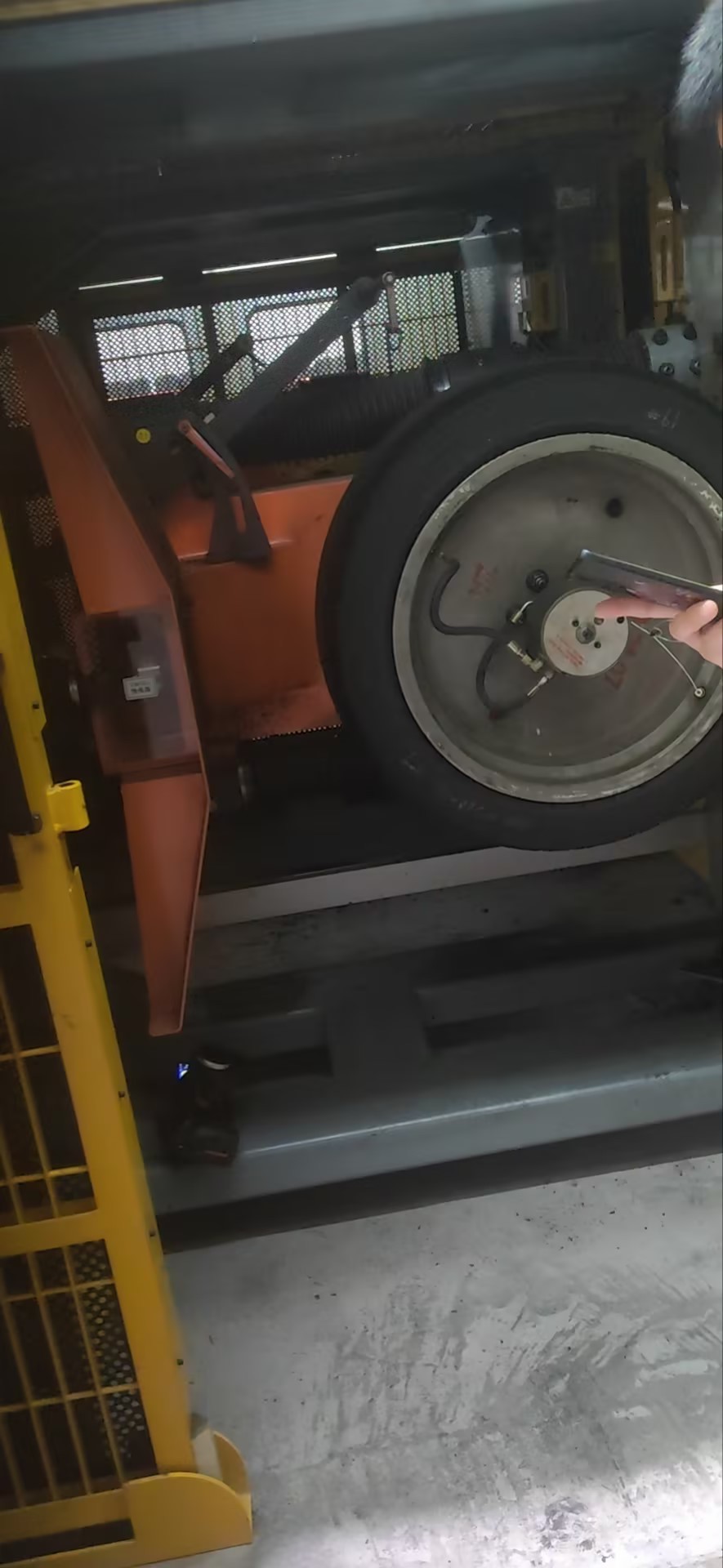
- Traditional inspection methods cannot quickly capture the complete thermal profile of tires.
- During high-speed driving or dynamic testing, rapid temperature changes are difficult to track.
Solution
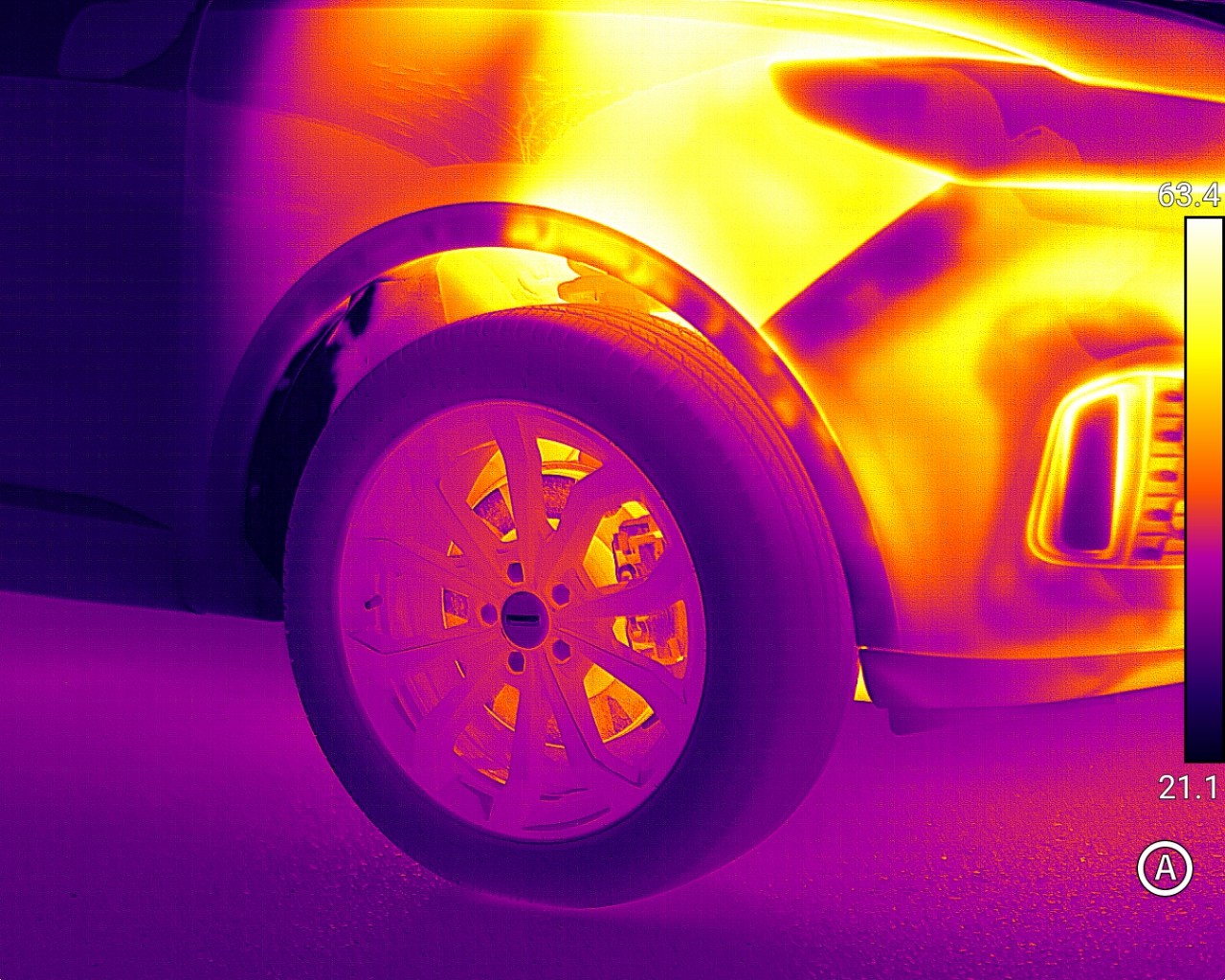
Thermal cameras can capture complete tread temperature distribution patterns at different speeds, identify localized overheating at the tire shoulders during sharp turns, analyze temperature variations caused by abnormal tire pressure, and evaluate heat accumulation after extended driving. By providing real-time visualization of tire temperature changes during operation, thermal imaging helps service technicians assess tire performance and braking conditions.
Thermal visualization: Clearly displays the complete tire surface temperature distribution, making heat concentration areas immediately visible.
Design optimization: Temperature data provides quantitative insights for tire material selection and structural design improvements.
Safety assessment: Identifies potential durability issues in advance to enhance driving safety.

.png)
.png)
.png)