


What’s the Difference Between a Smartphone Thermal Camera and a Handheld Thermal Camera


Thermal imaging technology has become a vital inspection tool in many industries, with applications ranging from electrical testing, building maintenance, and HVAC inspections to equipment troubleshooting and field services.
Today, users can choose between two common types of thermal imaging devices: smartphone thermal cameras and handheld thermal cameras.
Both devices use infrared technology to detect temperature differences and generate thermal images. However, they are designed to meet different application requirements and working environments. Understanding the differences between them helps users choose the right thermal imaging solution for their needs.
What Is a Smartphone Thermal Camera?
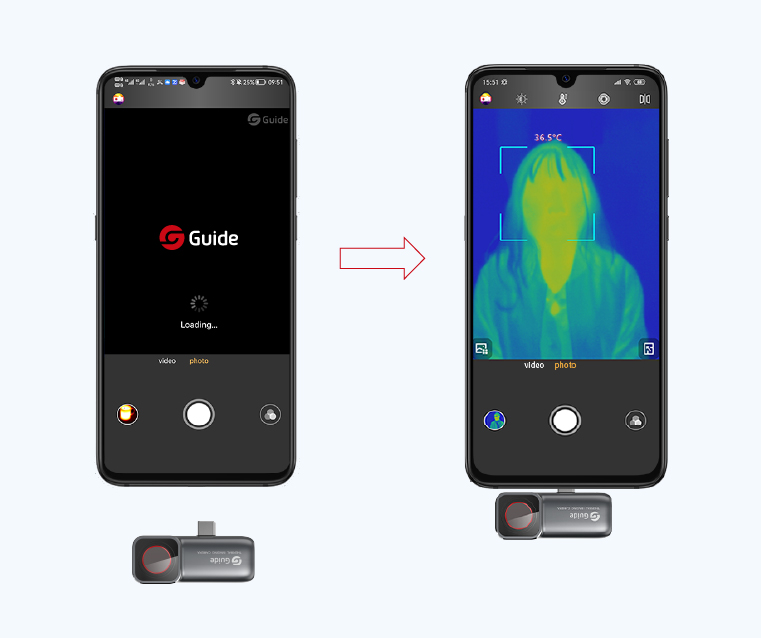
A smartphone thermal camera is a compact infrared device that connects to a mobile phone. It utilizes the smartphone's screen, processing power, and applications to display thermal images and temperature data.
Because of their compact size and portability, smartphone thermal cameras are widely used by technicians and other users, making them a lightweight and convenient tool for quick inspections.
Common applications include:
l Home diagnosis
l HVAC checks
l Electrical troubleshooting
l PCBA Inspections
l Automotive inspections
l Basic equipment temperature checks
l Outdoor adventure
One of the main advantages of smartphone thermal cameras is their convenience. Users can easily carry them and perform fast temperature checks without bringing large equipment.
What Is a Handheld Thermal Camera?
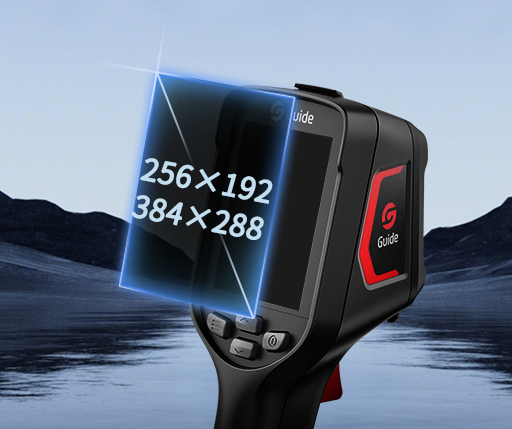
A handheld thermal camera is a dedicated infrared imaging device equipped with its own display screen, controls, and operating system.
Compared with smartphone thermal cameras, handheld thermal cameras are designed for more professional inspection tasks. They typically offer better durability, more advanced measurement capabilities, and better performance in demanding inspection.
Handheld thermal imaging cameras are widely used in:
l Industrial maintenance
l Electrical system inspection
l Manufacturing equipment monitoring
l Oil and gas industry applications
l Building diagnostics
For professionals who frequently conduct thermal inspections, handheld devices often provide more comprehensive inspection features and workflows.
Differences in Portability and Operation
One of the main differences between smartphone thermal cameras and handheld thermal cameras lies in portability.
Smartphone thermal cameras are extremely compact and easy to carry, making them ideal for users who need a simple solution for quick temperature checks in different locations.
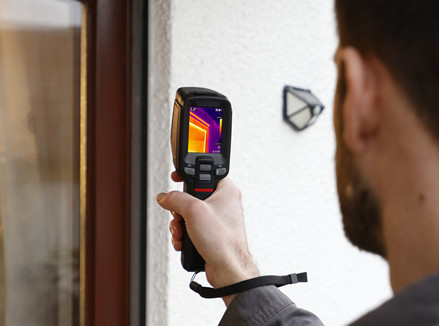
Handheld thermal cameras are larger but provide an independent operating experience. They do not require a smartphone connection and are generally more suitable for long inspection tasks.
For field technicians, the best choice depends on whether portability or professional inspection capabilities are more important.
Differences in Image Quality and Measurement Features
When selecting an infrared thermal camera, image quality and measurement capabilities are important factors.
Smartphone thermal cameras are designed to meet a wide range of routine inspection needs, enabling users to identify temperature differences and locate abnormal areas.
Handheld thermal cameras typically offer more advanced features, including:
l Higher infrared resolution
l More advanced temperature measurement and analysis features
l Advanced image analysis functions
l Professional inspection modes
l Data recording and reporting options
Handheld thermal cameras are often well suited to complex inspection projects requiring detailed thermal analysis.
Which One Is Better for Professional Inspections?
Choosing the right thermal camera depends on the application and working requirements.
Smartphone thermal cameras are suitable for users who need:
l A compact, portable inspection tool
l Quick temperature checks
l Ease of use
l A portable thermal imaging solution
Handheld thermal cameras are better suited for users who:
l Conduct routine professional inspections
l Require more advanced temperature measurement capabilities
l Long-term field operation
l Utilize advanced thermal analysis functions
For industrial facilities, maintenance teams, and professional inspectors, handheld thermal cameras typically offer more advanced performance and more flexible inspection options.
Guide Provides Thermal Imaging Solutions for Different Applications
Different industries have varying requirements for thermal imaging equipment. As a professional manufacturer in this field, Guide develops and produces a wide range of infrared thermal cameras, including smartphone thermal cameras, handheld thermal cameras, firefighting thermal cameras, and VOC detection thermal cameras.
Guide thermal imaging solutions are designed for a wide range of applications, including electrical inspection, industrial maintenance, HVAC inspections, firefighting and rescue operations, gas leak detection, and equipment condition monitoring.
Leveraging extensive expertise in infrared imaging technology, Guide consistently develops thermal imaging products that combine clear imaging, precise temperature measurement, and practical operational features, helping users improve inspection efficiency across different industries.
Conclusion
Both smartphone thermal cameras and handheld thermal cameras have their own advantages.
Smartphone thermal cameras excel in portability and convenience, making them ideal for quick inspections and routine temperature checks. In contrast, handheld thermal cameras offer more advanced features and greater functionality for complex inspections, enabling them to handle complex inspection tasks more effectively.
When selecting thermal imaging equipment, users should carefully consider their specific inspection requirements, working environments, and measurement needs.
As a professional thermal imaging manufacturer, Guide offers a wide range of infrared thermal imaging solutions, including smartphone thermal cameras, handheld thermal cameras, firefighting thermal cameras, and VOC detection thermal cameras, helping users perform more efficient and reliable inspections in different industries.
.jpg)
-944.jpg)