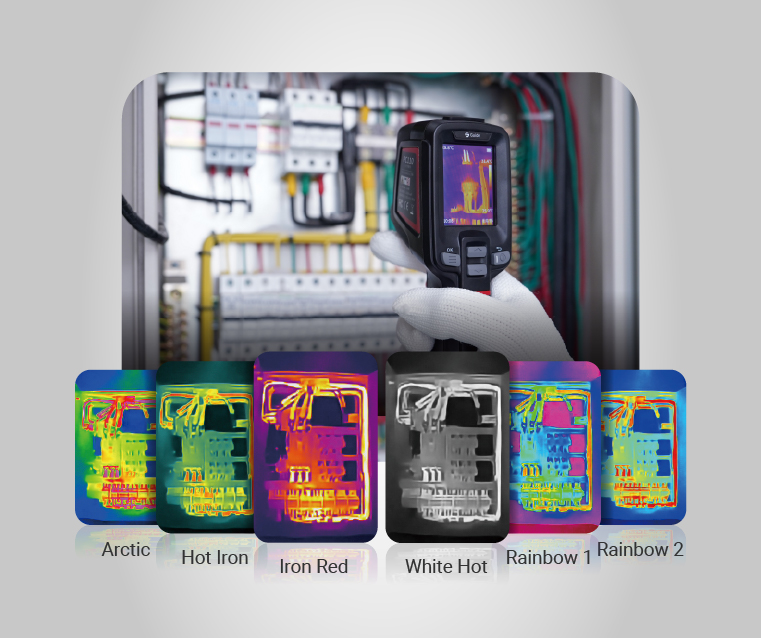
How to Use Thermal Imaging for Electrical Inspection


Electrical equipment can develop problems long before a visible failure occurs. Loose connections, overloaded circuits, damaged components, and poor electrical contact can all lead to abnormal heat generation. If these hidden hazards are not detected early, they can result in equipment damage, unexpected power interruptions, or even electrical fires.
Traditional electrical inspections typically require technicians to examine equipment closely and perform various electrical tests. Thermal imaging serves as an effective supplementary tool. Infrared thermal cameras can detect surface temperature variations without making physical contact with the equipment. This allows technicians to rapidly scan electrical systems, identify suspicious hotspots, and decide which areas need further investigation.
From distribution panels and circuit breakers to power outlets and wiring, thermal imaging can improve the speed and efficiency of routine electrical inspections.
Inspecting Electrical Distribution Panels
Electrical distribution panels contain various components used to control and distribute power within a building. These components include busbars, terminals, switches, and circuit protection devices. Because a large number of connection points are concentrated in a confined space, a fault in one component can potentially affect surrounding equipment.
Smartphone thermal imaging cameras can help identify abnormal temperature patterns on accessible components within an electrical distribution panel. For example, a specific terminal might exhibit a significantly higher surface temperature than other terminals carrying similar electrical loads. This temperature difference may indicate a loose connection, increased contact resistance, an overloaded circuit, or another electrical issue.
During an inspection, technicians should compare components operating under similar conditions rather than relying on temperature alone. Furthermore, factors such as electrical load, ambient temperature, component design, and the manufacturer’s technical specifications must also be taken into account.
Regular thermal imaging inspections of electrical panels enable maintenance teams to detect potential issues before they lead to unplanned downtime or equipment damage.
Checking Circuit Breakers for Abnormal Heating
Circuit breakers are designed to protect electrical systems by preventing abnormal conditions such as overloads and short circuits. However, loose terminals, worn components, poor electrical contact, or excessive current can cause abnormal heating in the circuit breaker and its connections.
Technicians can use thermal imaging to scan circuit breakers and compare the surface temperatures of similar units. If a particular circuit breaker shows hotspots around its terminals or contact points, further inspection may be necessary.
For example, within the same electrical panel, several circuit breakers may be under similar loads, yet one might exhibit a significantly higher surface temperature. This difference can help technicians identify where to investigate first.
However, a warm circuit breaker does not automatically indicate a fault. Normal operating current also generates heat, and temperature readings are influenced by load conditions and equipment design. Thermal images should therefore be evaluated alongside load measurements, electrical testing, and the manufacturer's operating limits.
Detecting Overheating at Electrical Outlets
Electrical outlets are widely used in homes, offices, workshops, and commercial buildings. Loose plugs, damaged contacts, poor wiring connections, or excessive electrical loads can all cause localized heating around an outlet.
Using a thermal imaging camera, technicians can quickly scan an outlet faceplate and its surrounding area to identify abnormal temperature differences. A localized hotspot near an outlet may indicate an underlying electrical issue, particularly if there are also signs of discoloration, a burning smell, or physical damage.
Thermal imaging is particularly useful when technicians need to inspect a large number of electrical outlets within a large building. Instead of the time-consuming process of checking each outlet individually by hand, they can use temperature patterns to prioritize suspicious locations.
However, thermal imaging cannot determine the actual condition of concealed contacts inside an outlet. Any suspicious findings should be checked by a qualified electrician using appropriate electrical testing methods.
Examining Electrical Wiring and Cable Connections
When excessive electrical resistance develops at a connection, or when a circuit operates beyond its rated load, cables and their connection points may experience abnormal heat buildup. Damaged insulation, improper termination, and uneven load distribution can also lead to electrical problems.
Using thermal imaging technology, technicians can scan accessible cable runs, joints, connectors, and termination points. A localized hotspot at a connection may indicate a potential connection fault, while a more widespread temperature pattern may point to an issue affecting a larger section of the circuit.
Comparing similar cables under comparable load conditions yields more meaningful results. Technicians should pay particular attention to cable connections, distribution points, and areas where several conductors meet.
Thermal imaging is also well-suited for the periodic inspection of electrical installations in factories, warehouses, commercial buildings, and other facilities where electrical equipment operates for long periods.
Why Non-Contact Thermal Inspection Is Useful
In the field of electrical inspection, one of the main advantages of thermal imaging technology is its non-contact measurement method. A thermal camera can measure surface temperature without touching the equipment or placing a temperature sensor directly on an energized component.
This approach not only accelerates initial inspections but also reduces the need for direct physical contact with electrical equipment. Furthermore, it allows technicians to scan multiple components in a short period and identify areas that may require further testing.
Another benefit is that thermal images provide a visual record of temperature distribution. By comparing thermal images taken during different inspection cycles, maintenance teams can identify changes in equipment temperature, which helps in prioritizing maintenance tasks.
However, the fact that measurements are non-contact does not mean the inspection process is entirely risk-free. Electrical distribution panels may contain exposed live components; opening covers or approaching energized equipment can pose serious hazards. During inspections, it is essential to strictly adhere to on-site safety protocols, relevant electrical safety standards, and the manufacturer’s instructions. Only qualified personnel are permitted to carry out operations that involve accessing hazardous electrical areas.
How to Improve Electrical Inspection Results
Accurate thermal inspection requires more than simply pointing a camera at electrical equipment. Equipment should be operating under representative load conditions to ensure that meaningful temperature patterns can be observed.
Whenever practical, inspections should be performed while the equipment is under a representative electrical load. Compare similar components, record relevant operating conditions, and investigate unusual temperature differences rather than judging equipment by color alone.
Furthermore, factors such as surface emissivity, reflections, viewing angle, distance, and ambient temperature can all influence thermographic readings. For example, highly reflective metal surfaces can reflect infrared radiation from surrounding objects, potentially resulting in inaccurate apparent temperature readings. Technicians should therefore take surface emissivity and reflected temperatures into account when interpreting thermal images.
When a suspicious hot spot is identified, confirm the cause through appropriate electrical tests and a qualified technical assessment. Thermal imaging is an inspection tool, not a replacement for electrical measurements, circuit testing, or professional diagnosis.
Conclusion
Thermal imaging is a practical tool for electrical inspection, enabling technicians to quickly identify abnormal temperature patterns without physically contacting the equipment being inspected. It can support the inspection of electrical distribution panels, circuit breakers, outlets, wiring, and cable connections.
By facilitating the identification of suspicious hotspots, thermal imaging helps maintenance teams prioritize inspections, troubleshoot potential electrical faults, and develop preventive maintenance plans. When combined with proper safety procedures and other electrical testing methods, it can improve inspection efficiency and help reduce the risk of unexpected equipment failure.